Sunday Dinner Before the Week Began
The meal began long before anyone sat down, and its leftovers carried the family into Monday.
Sunday dinner did not begin when plates reached the table. It began with a cupboard door in the morning, a pan set heavily on the stove, and the first familiar smell moving down the hallway. By the time everyone sat, the meal had already gathered hours of work, expectation, and small negotiations over who would help.
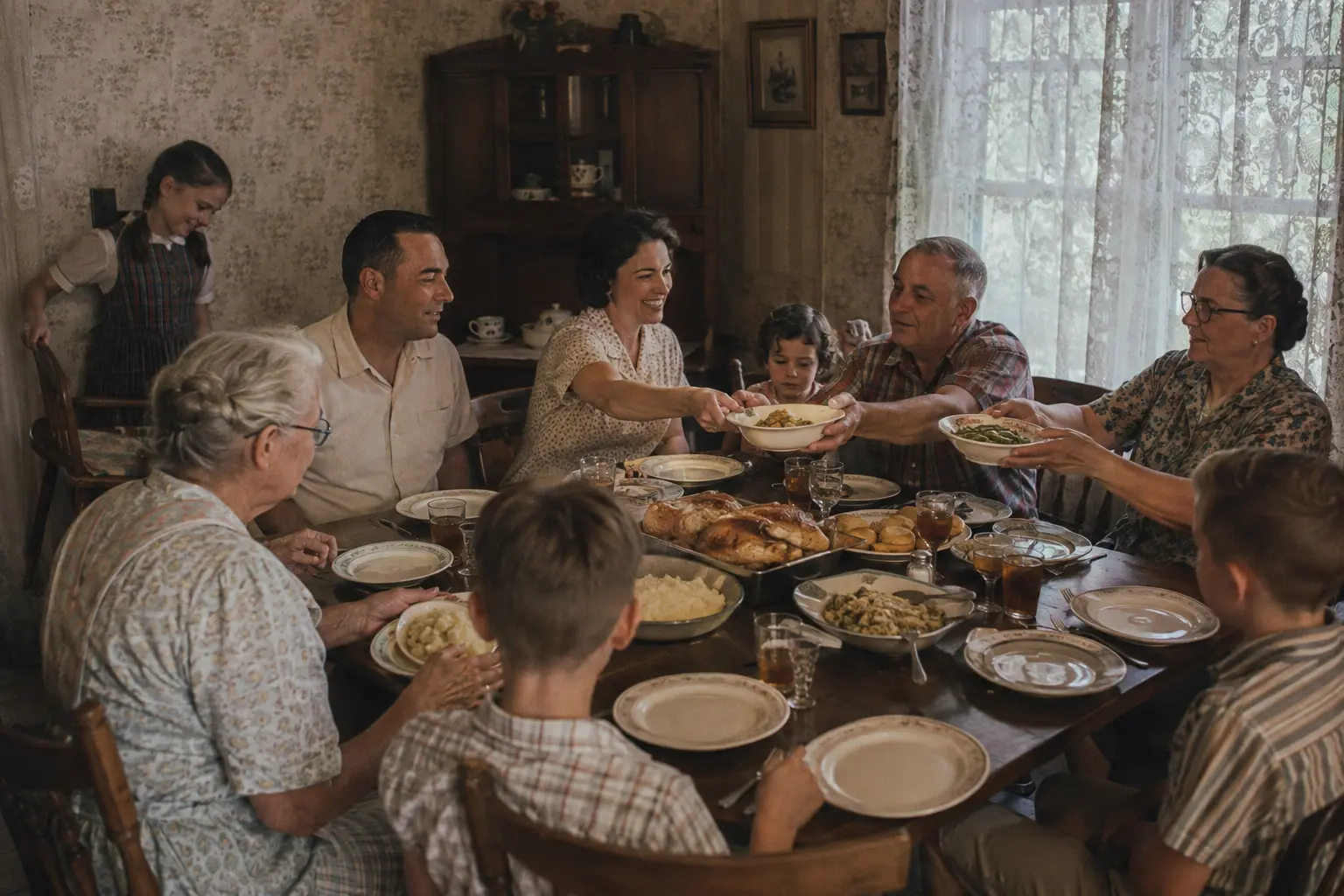
A meal with its own rhythm
The menu depended on family, region, faith, budget, and season. It might center on a roast, fried chicken, baked pasta, beans, greens, or a dish carried through generations. What joined these tables was less the recipe than the rhythm: food made in generous quantities, a place found for every person, and serving bowls passed in a familiar order.
Children learned the choreography by repetition. Put out the forks. Bring in another chair. Do not touch the dessert yet. Adults checked the oven, told the same story from different ends of the table, and noticed who had grown or gone quiet since last week. The gathering offered a regular chance to take the measure of the family.
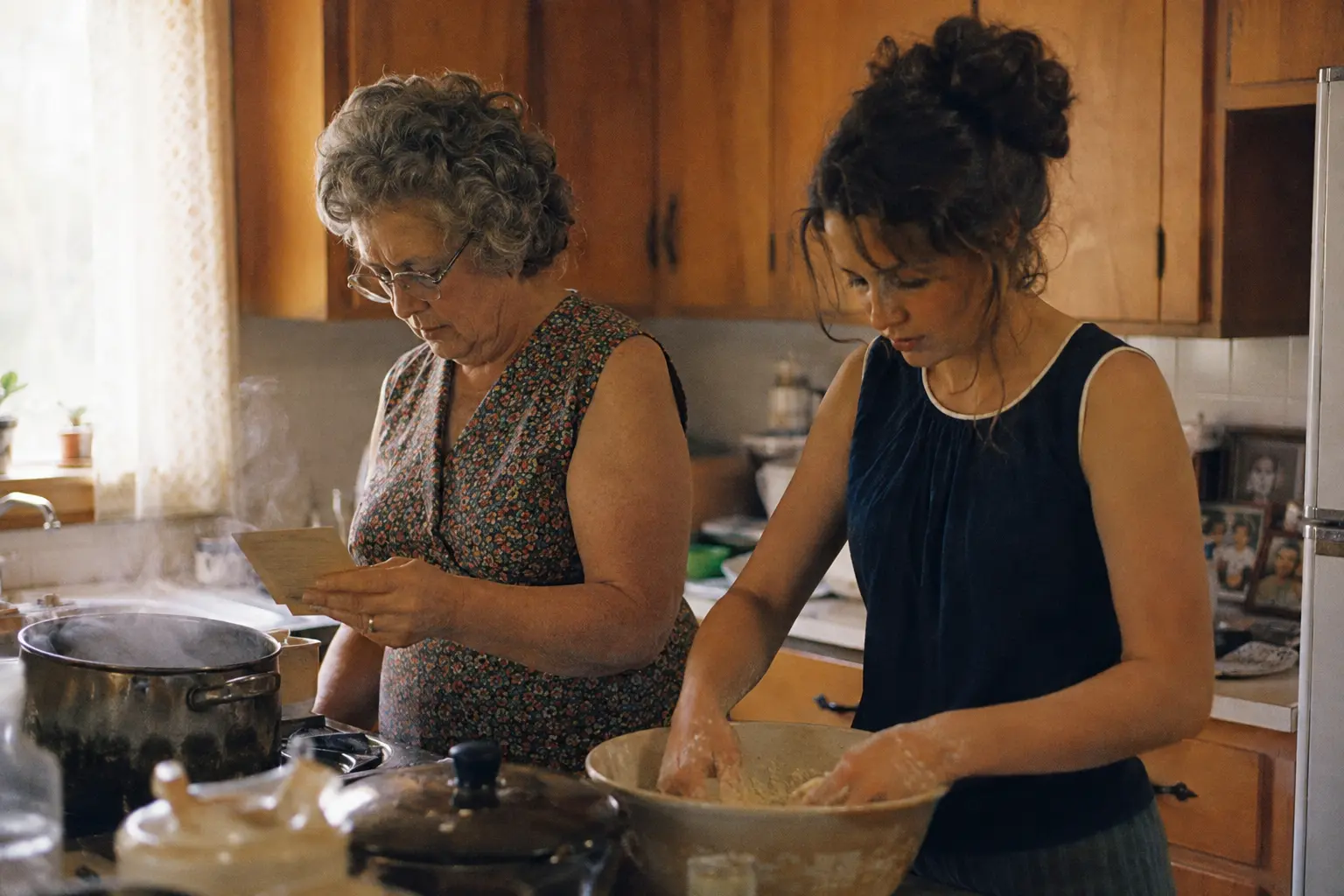
The conversation between the dishes
At its best, Sunday dinner slowed time. There was nowhere to be for a little while, so talk wandered. News from work met school gossip, local happenings, and the kind of family history that surfaced only because one remark reminded someone of another. Younger people absorbed names and relationships without realizing they were learning an archive.
Not every table was peaceful, of course. Old disagreements traveled easily, and manners could be tested. Yet even the friction belonged to a shared ritual. People returned because the meal was one of the places where belonging was practiced, not merely declared. Showing up mattered, even when everyone did not agree.
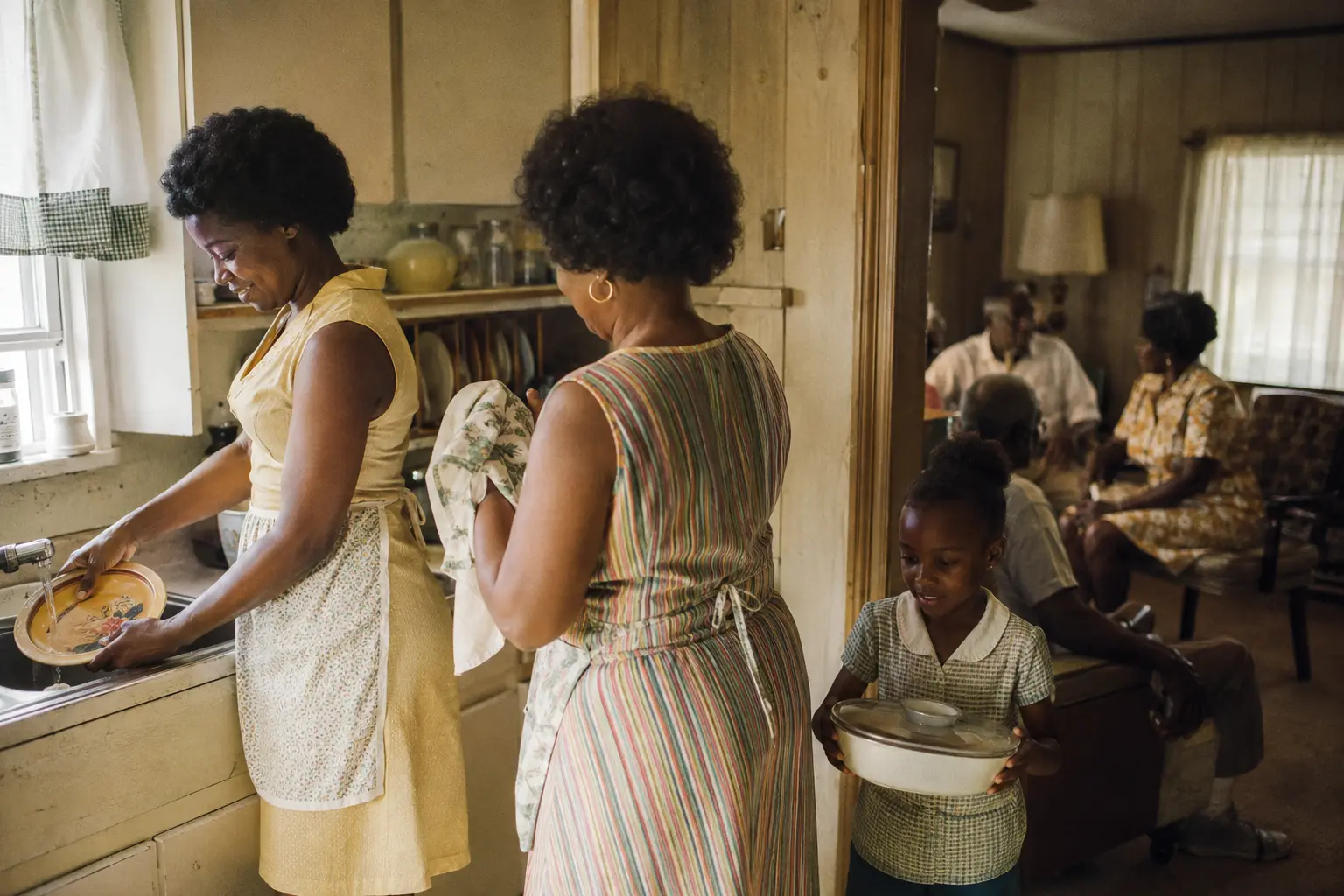
The recipe fed the table, but the repetition was what made the meal feel like home.
The quiet after everyone left
Cleanup created a second gathering. Water ran, towels changed hands, and leftovers were divided into containers whose lids never seemed to match. The room emptied gradually. A forgotten cup or pushed-back chair showed where the noise had been.
By evening, the house felt different—tired, fed, and ready for the week. Lunch on Monday might contain a small reminder of the table. More lasting was the reassurance that the family had met again in one place. The next Sunday was already waiting on the calendar, whether anyone mentioned it or not.
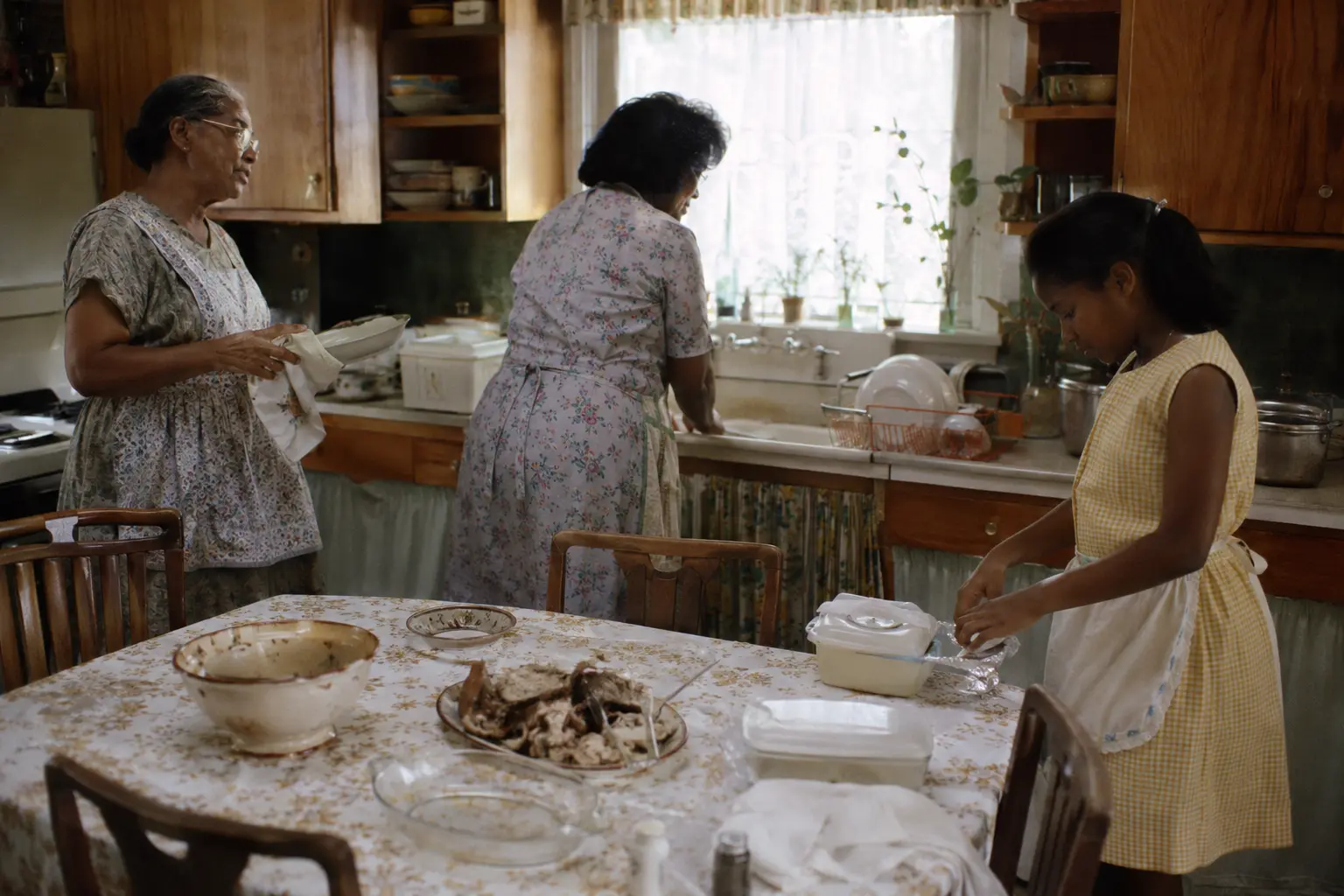
The meal that organized the week
Sunday dinner gave the day a center. Some families ate after church, some in late afternoon, and some whenever the last relative finally arrived. Recipes and schedules differed, but the meal often created a dependable pause before school clothes, work bags, and alarm clocks took over again.
The table also taught family history without announcing a lesson. A familiar dish might belong to a grandparent’s region, a holiday habit, or a leaner period when stretching ingredients mattered. Children absorbed those stories between requests to pass a bowl. Years later, the recipe may be incomplete, but the order of people around the table remains surprisingly clear.
The part nobody wrote down
Family recipes often survive as incomplete instructions because the missing knowledge once lived in people’s hands. A cook judged texture by sight, adjusted a pan by smell, or used a cup that was never an official measuring cup. Younger helpers learned by standing close enough to be corrected. The real recipe included timing, gestures, and the order in which voices entered the kitchen.
When families try to recreate the meal years later, the result may be delicious without tasting exactly right. The missing ingredient is sometimes the room itself: a crowded counter, a particular serving bowl, or the conversation heard while setting the table. Recreating the dish is valuable, but remembering the work around it preserves a fuller inheritance.
Rebuilding the ritual without copying the table
A Sunday meal does not need the original house, exact menu, or complete guest list to carry the tradition forward. The essential act may be making enough for one more person, letting conversation outlast the plates, or sending someone home with leftovers. Repetition turns those small choices into a family rhythm.
New households can change recipes and schedules while preserving the deeper promise: there will be a place to pause, food will be shared, and the people at the table will have time to notice one another before the week begins again.
What dish, voice, or small job do you remember most clearly from Sunday dinner?
Library of Congress Prints & Photographs · National Museum of American History Collections
This story is an original cultural-memory essay. Details varied across families, communities, and regions.