The Living Room Everyone Saved for Company
It was the neatest room in the house, even when most of family life happened somewhere else.
Some homes had a room that seemed to be holding its breath. The cushions stayed plump, the tables stayed clear, and the good lamp waited beneath its shade. Children passed the doorway on the way to louder places, knowing this was the living room for company—not the family room where shoes came off and newspapers unfolded.
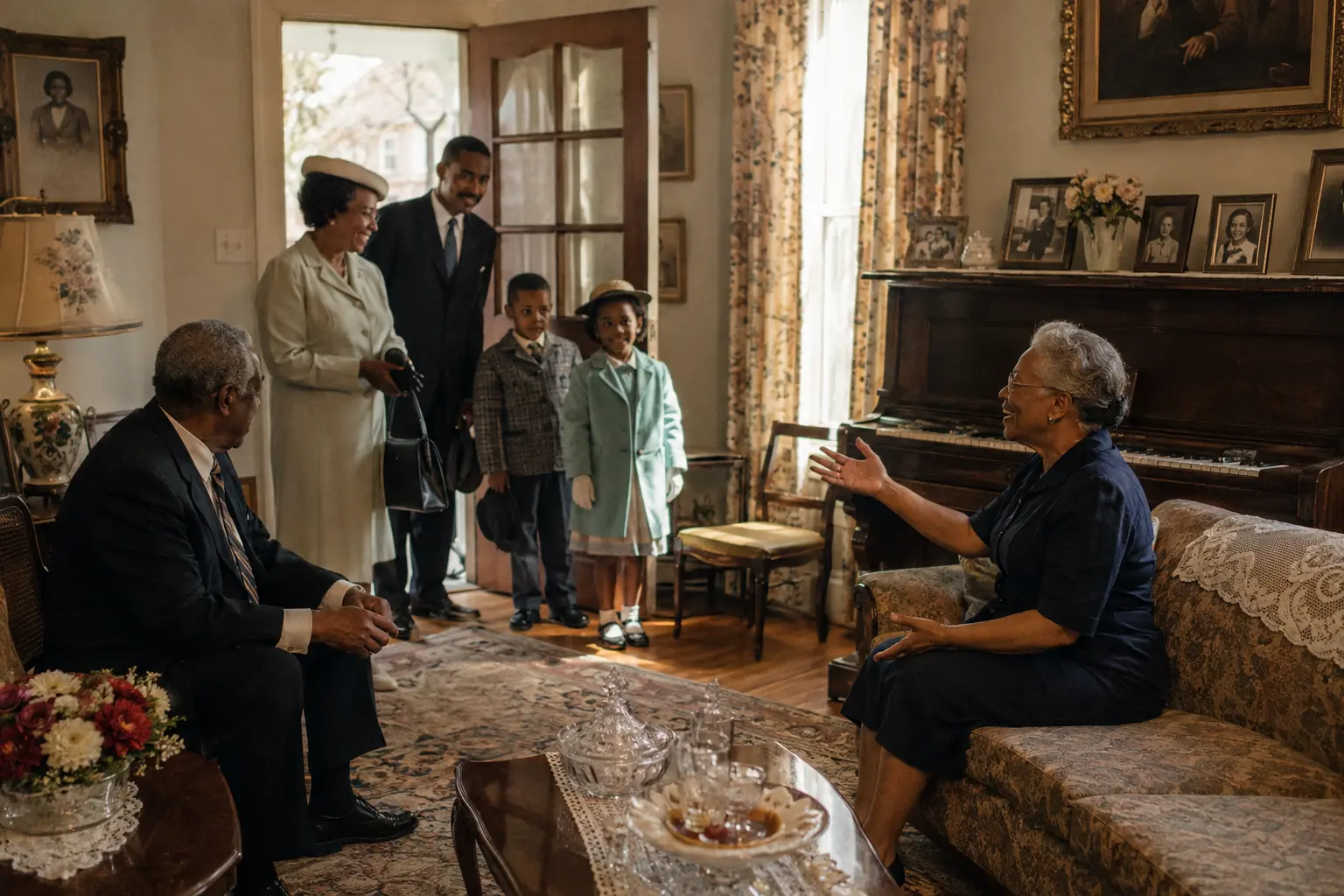
A room arranged for the best version of us
The formal living room was part hospitality and part aspiration. A matched sofa and chair, framed portraits, a polished coffee table, and perhaps a piano or cabinet television told visitors that the household had prepared for them. In many families, these objects represented years of saving. Keeping the room orderly was a way of respecting both the furniture and the guests invited to sit on it.
There could be invisible rules. Do not bounce on the sofa. Keep snacks in the kitchen. Leave the figurines where they are. Upholstery might be covered for protection, and carpet kept free of the paths that appeared in busier rooms. To a child, the room’s stillness could feel mysterious; to an adult, it may have felt like hard-earned dignity.
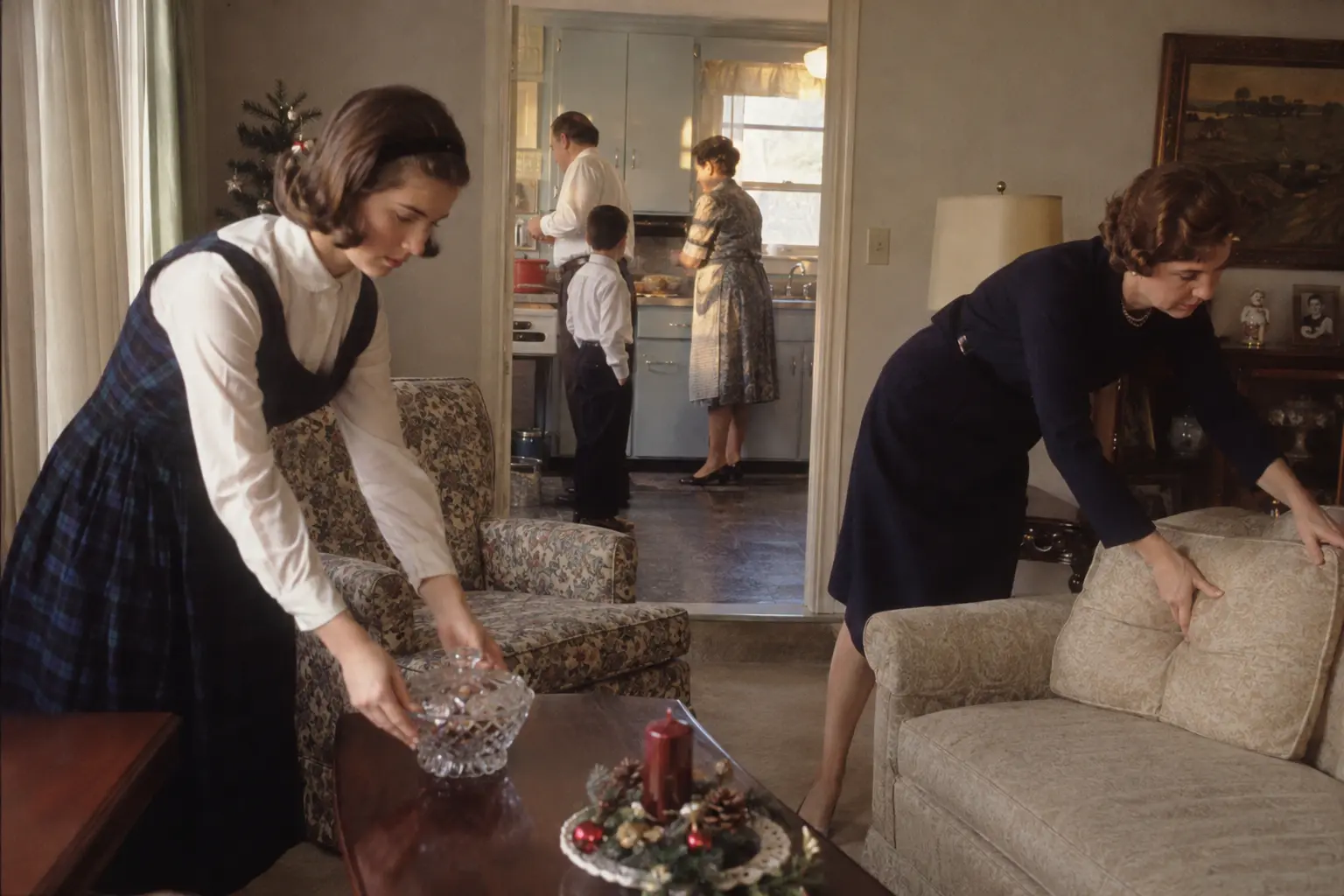
When the room finally filled
Holidays changed everything. Coats accumulated on a bed, folding chairs arrived from closets, and the quiet room suddenly held aunts, neighbors, cousins, and a tray no one was allowed to bump. People leaned forward to hear a story. Someone laughed too loudly. The careful arrangement gave way to what it had been waiting for all along: company.
Other important hours happened there too. Family photographs were posed near the nicest chair. A serious conversation might be moved away from the kitchen traffic. Good news was delivered, introductions were made, and farewells took longer than expected near the front door. The room became a stage for moments a family wanted to mark.
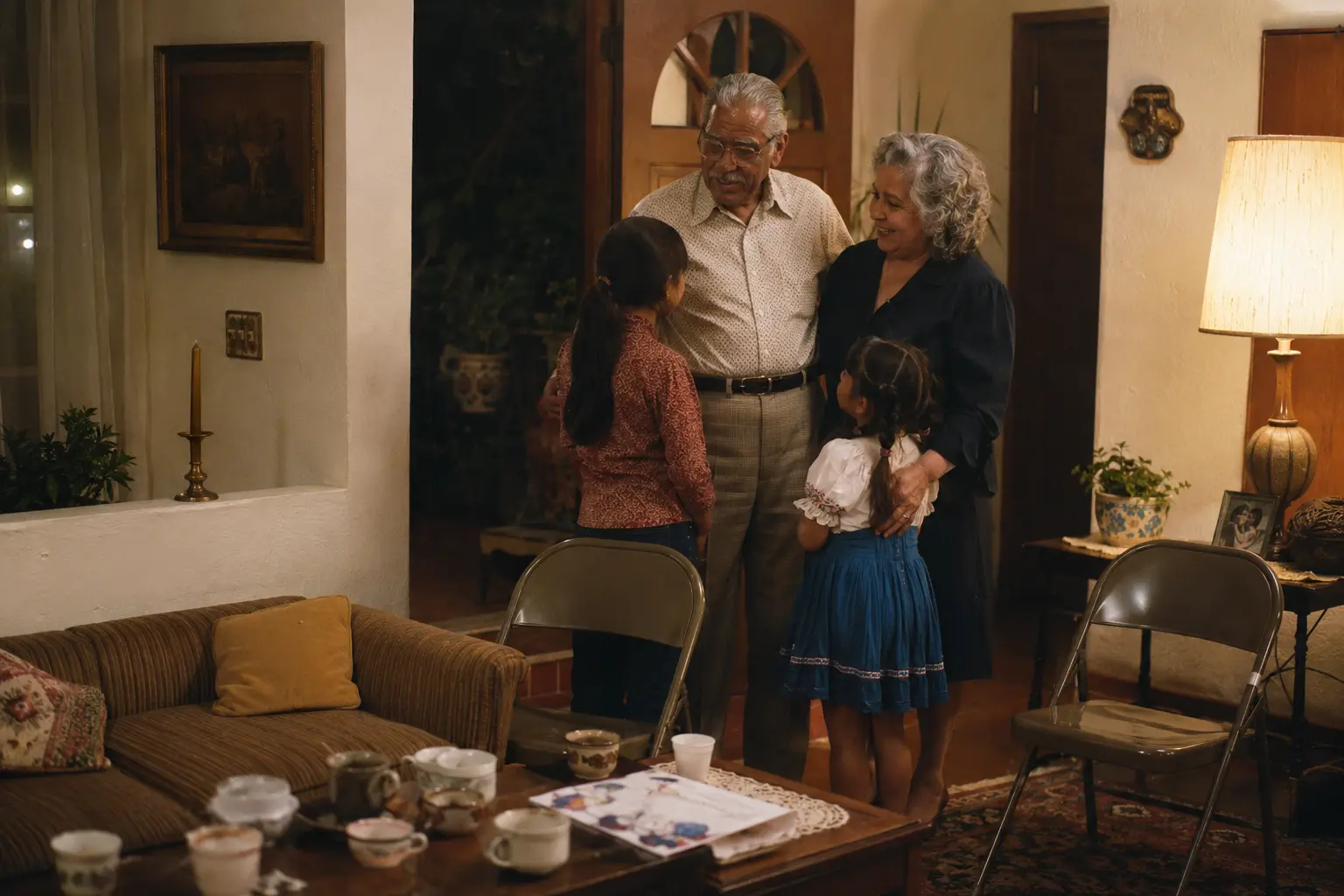
The room looked untouched because so much hope, work, and family pride had already been placed inside it.
What the untouched cushions meant
It is easy to tease the idea of a room too good for everyday use. Yet the formal living room expressed something generous: the desire to welcome people with the best one could offer. Its perfection was rarely about luxury. Often it was about care, pride, and the belief that an ordinary home could rise to an occasion.
Many houses now favor open plans and rooms that earn their keep every day. That ease has its own warmth. But the old company room reminds us that anticipation can shape a place. The furniture waited because people were expected, and expectation itself was a form of love.
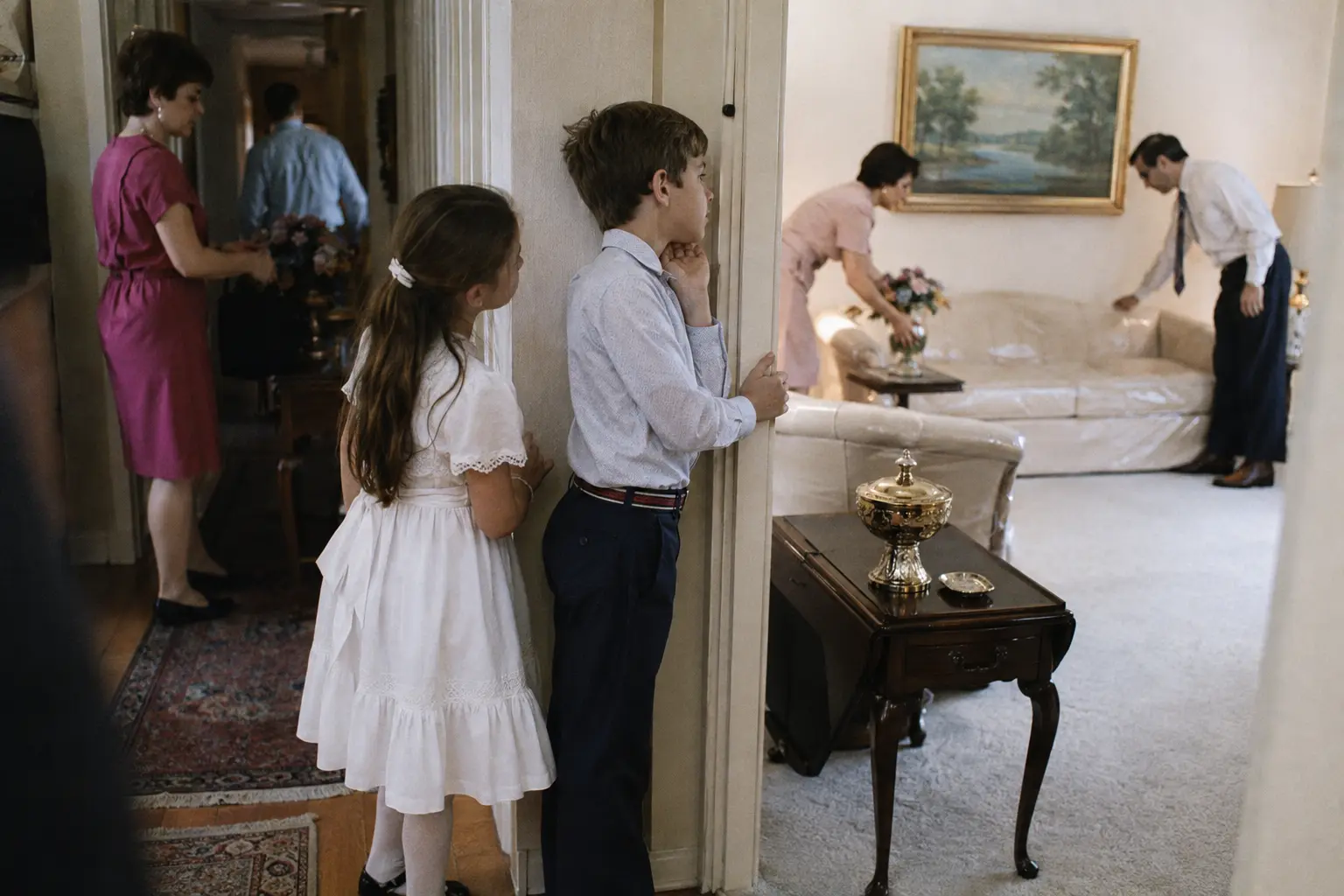
The room that represented the family
The formal living room was not merely unused space. It was a family’s public face: the best lamp, the framed portrait, the furniture bought carefully and expected to last. Keeping it orderly could be a form of pride, especially in households where money was watched closely and nice things had to survive for years.
Its quietness also made special moments feel more important. Holiday visitors, a serious family talk, or a photograph before church could briefly bring the room to life. Children who normally passed the doorway under watchful eyes knew that being invited to sit down meant the occasion had changed.
What children noticed from the doorway
Children often learned the meaning of the room through contrast. The kitchen accepted spills, the den collected newspapers, and the bedrooms carried the evidence of rushed mornings. The formal living room seemed to obey another set of rules. A child noticed the straight fringe of the rug, the careful angle of a chair, and the way adults lowered their voices when guests arrived.
Those details could feel restrictive at the time, yet they also gave an occasion shape. Being invited into the room for a holiday visit or family photograph signaled that the day had become important. The room did not need constant use to matter. It offered a physical way to say: this person, this visit, and this moment deserve our best attention.
When the best room became an everyday room
Many formal living rooms eventually changed. Furniture wore out, households became less formal, and rooms were opened to daily life. The transformation did not erase their earlier meaning. A coffee mark or sunken cushion could even show that the room had finally begun serving the people it was meant to welcome.
Looking back with affection does not require restoring every old rule. What deserves preservation is the intention behind the room: creating a place where a guest could feel expected and a family could mark an important hour together.
Did your family have a room, chair, or set of dishes that was reserved for company?
Library of Congress Prints & Photographs · National Museum of American History Collections
This story is an original cultural-memory essay. Details varied across families, communities, and regions.