Why the Five-and-Dime Felt Like a Treasure Hunt
A few coins could buy an hour of possibility beneath bright aisles and handwritten price cards.
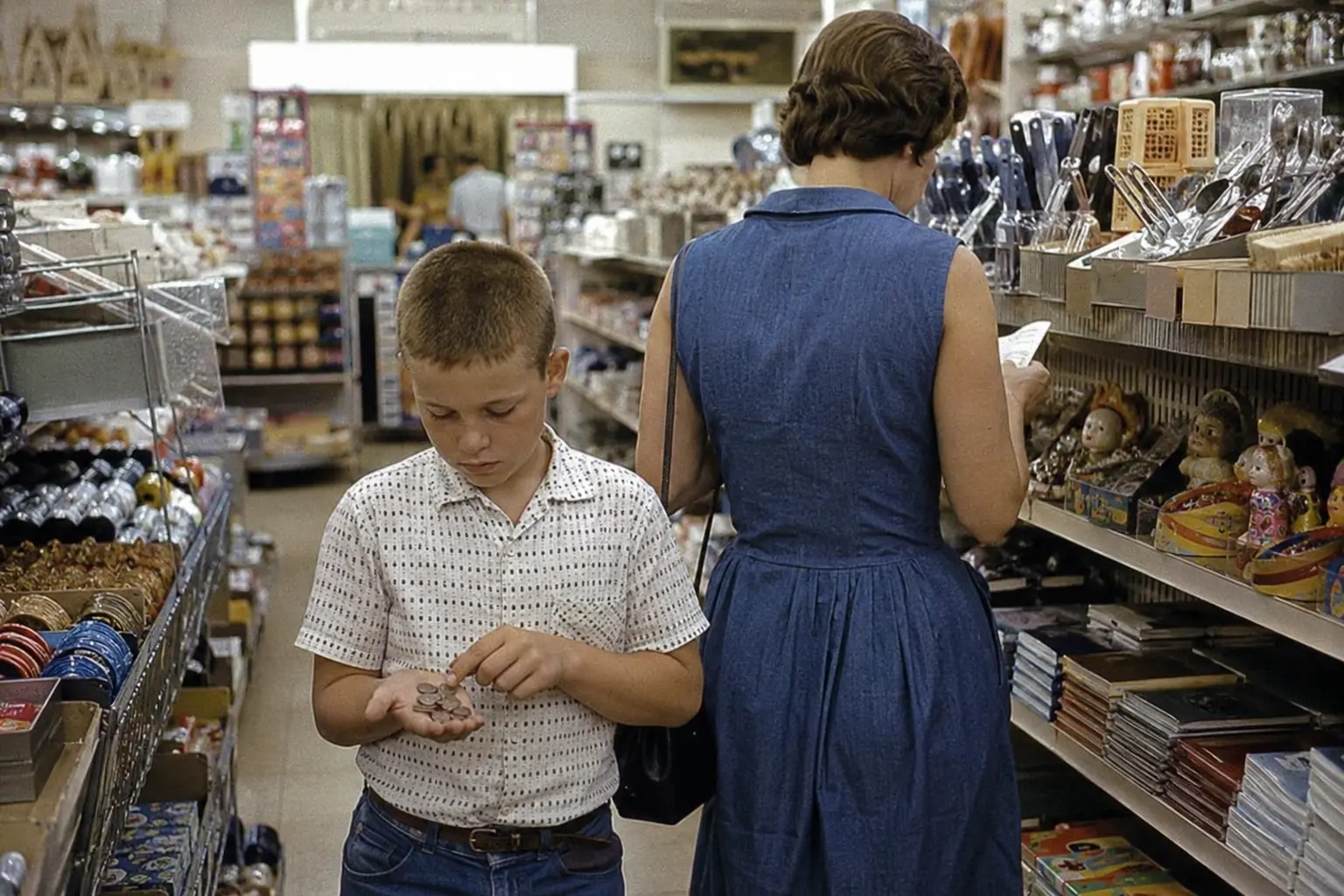
The five-and-dime seemed to contain more categories than a child knew existed. Needles and thread lived near toys; kitchen tools appeared within sight of candy; greeting cards, hair ribbons, notebooks, and seasonal decorations filled the distance between. The store was practical enough for adults and full of possibility for anyone carrying a few coins.
A store built from small choices
These shops differed by town and era, but many shared a crowded abundance. Merchandise sat in bins, hung from hooks, or lined long counters where a shopper could compare one simple object with another. Prices felt legible. A child with an allowance could count, reconsider, and make a purchase without needing an adult-sized budget.
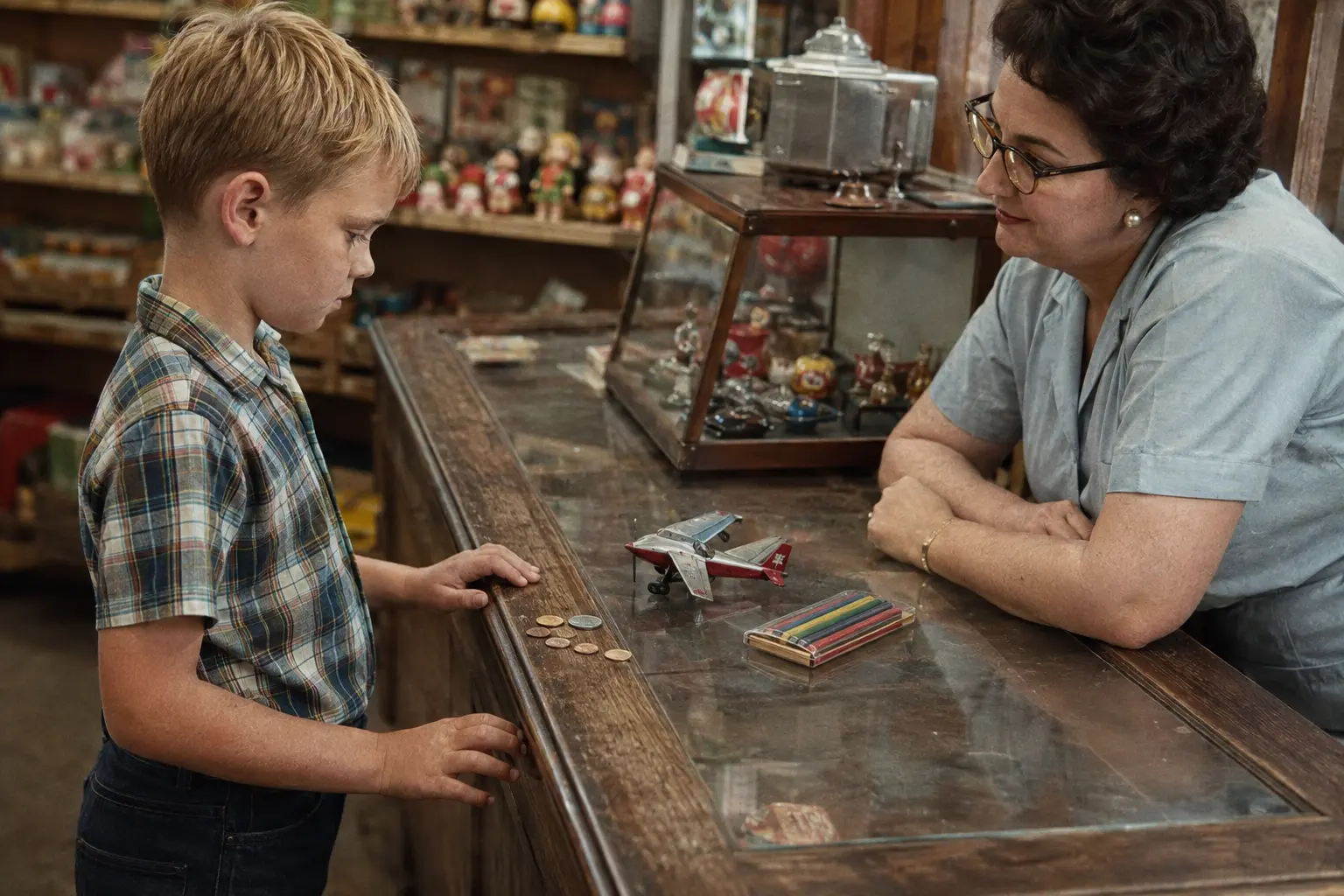
That modest buying power mattered. Choosing one item meant leaving another behind, a lesson in desire and arithmetic. A small toy, a tablet of paper, or a piece of candy became more valuable because the decision belonged to the buyer. The walk to the register felt like the final step in a serious negotiation with oneself.
The errands inside the adventure
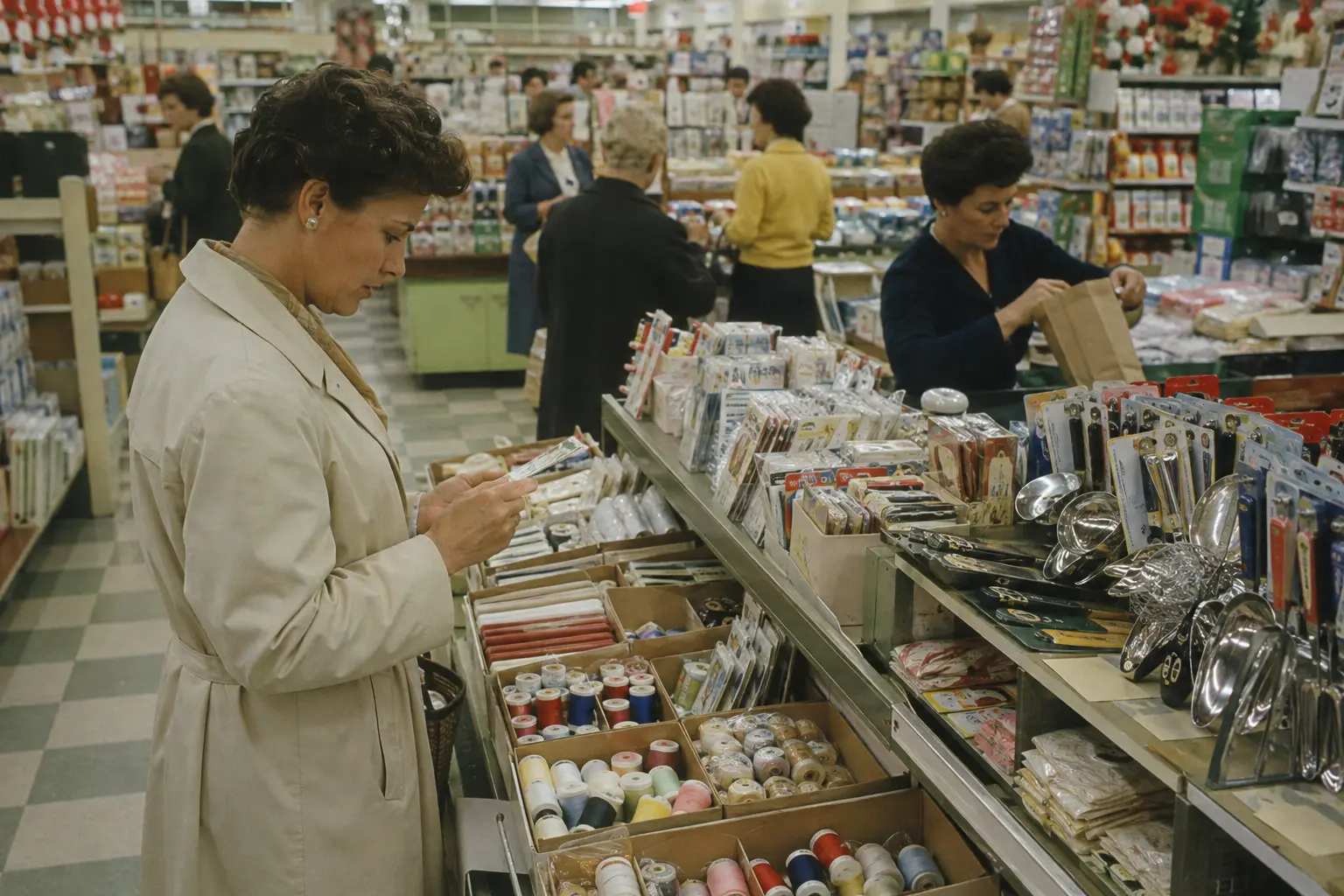
Adults came with lists. They needed a zipper, a baking pan, school supplies, a birthday card, or the one household item no larger store seemed worth visiting. The five-and-dime rewarded browsing because a needed object often appeared beside something forgotten. Shopping became a chain of recognition: we are low on this; someone could use that.
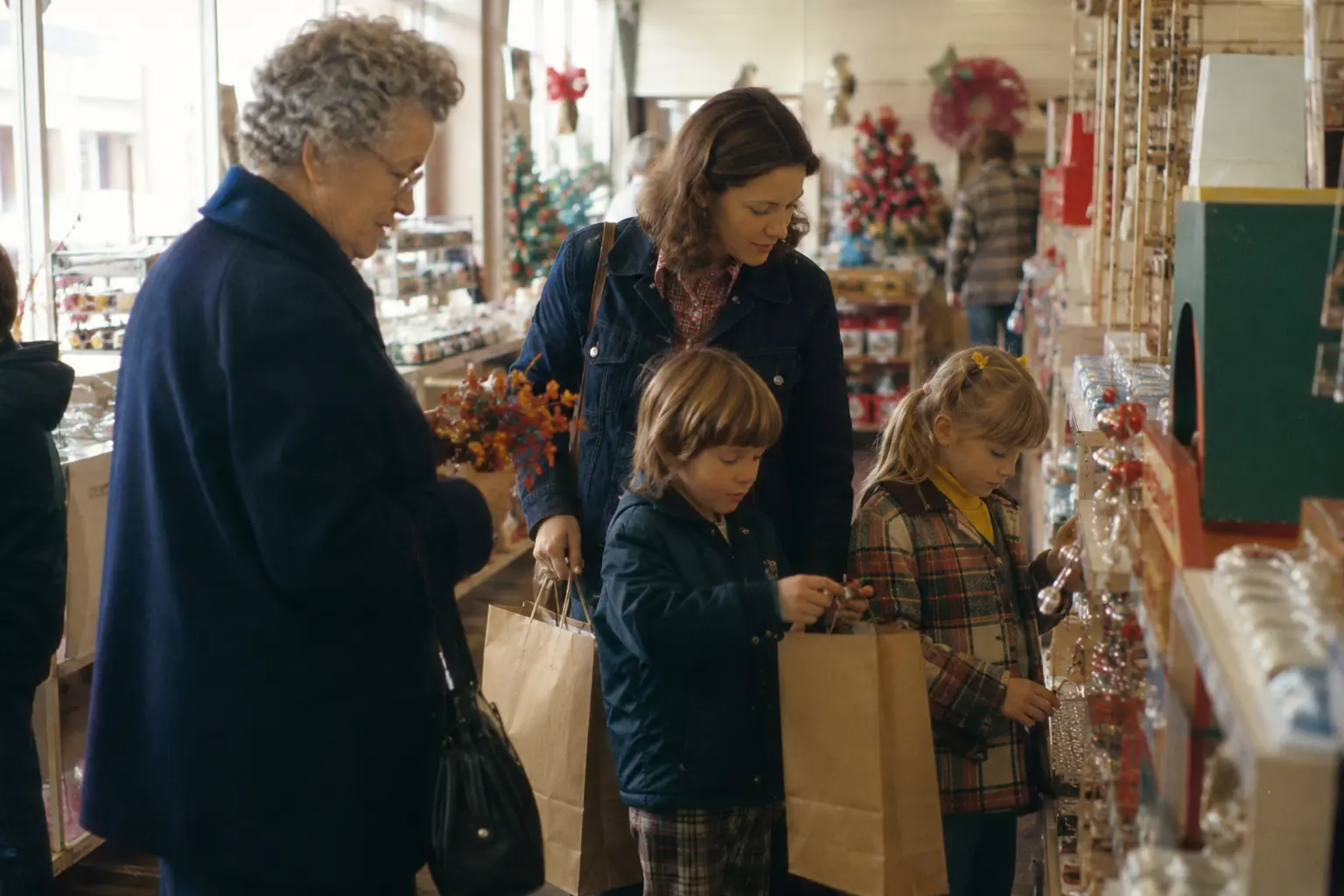
Children experienced the same aisles differently. Counters were tall, displays changed with holidays, and small objects invited close inspection. Even when nothing was purchased, the store offered practice in looking. It was a museum of useful things where almost everything could be touched.
The store felt enormous not because everything was expensive, but because one small choice mattered so much.
Why memory makes the aisles larger
Many Main Street stores eventually changed or disappeared as shopping patterns shifted. Nostalgia can smooth away the inconveniences—the limited selection, crowded aisles, or products that were not built to last. Still, the affection points toward something real: the scale felt human.
The store connected a small amount of money to a concrete choice, and a routine errand to discovery. A clerk might know where the odd item was kept. A parent could finish several tasks under one roof. A child could leave carrying a paper bag and the unmistakable pride of having chosen well.
The serious business of choosing one thing
The wonder came partly from limits. An allowance or a few saved coins did not buy the aisle; it made every choice matter. A child could compare a small toy with candy, a comic, or something useful enough to win a parent’s approval. Walking away from the counter meant accepting all the things left behind.
Adults moved through the same store with a different map in mind: sewing notions, kitchen tools, school supplies, and replacement pieces that kept a household running. That mixture gave the store its peculiar energy. It was both practical and full of possibility, a place where errands and imagination shared the same narrow aisle.
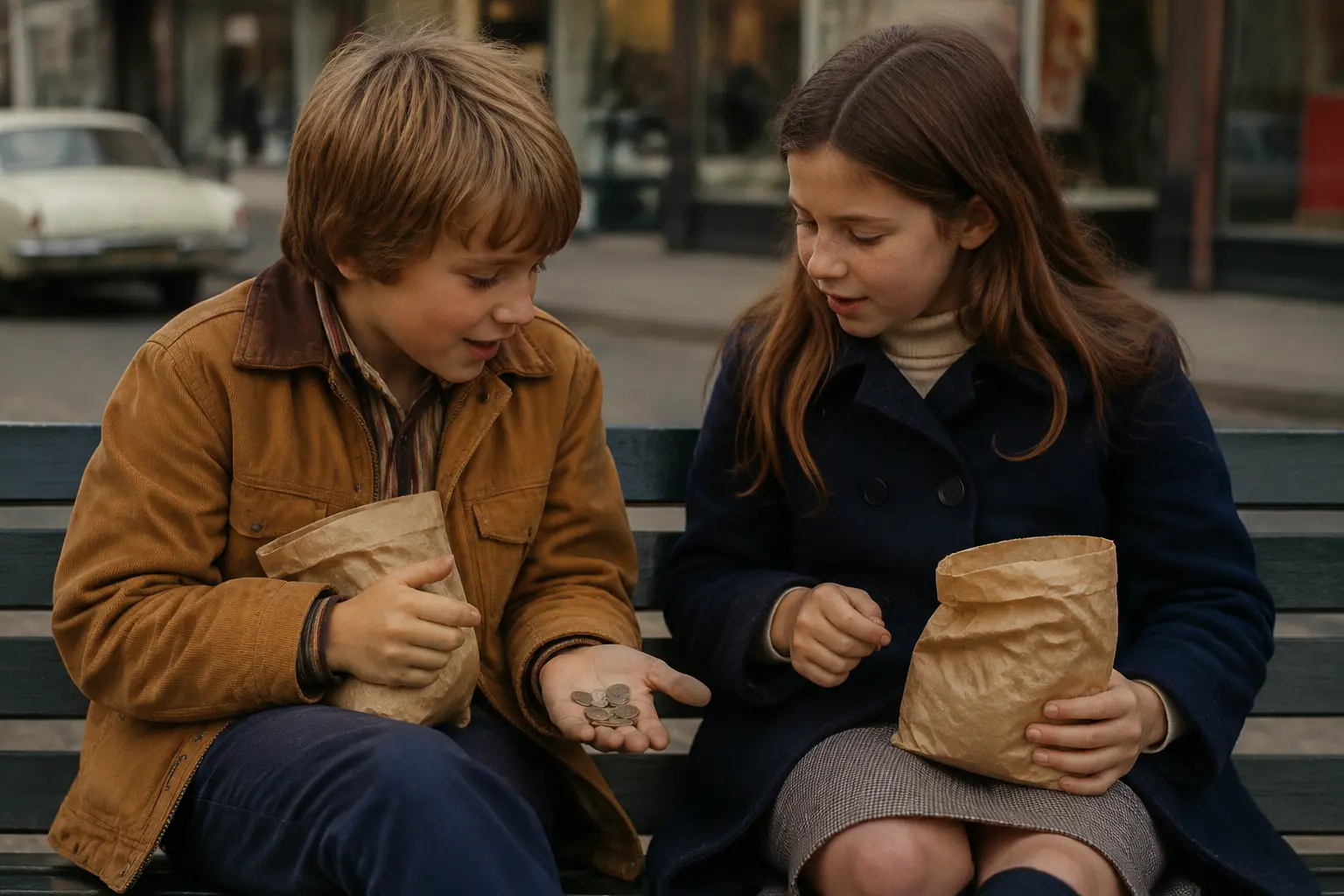
The walk home with the paper bag
Once the purchase was made, the store changed. The endless possibilities narrowed to one object resting inside a thin paper bag. Children might take it out on the sidewalk, compare choices with a sibling, then put it back carefully for the trip home. The remaining coins were counted again, partly from habit and partly because the decision still felt important.
That small walk extended the pleasure of the visit. The object had not yet been absorbed into a toy box or desk drawer; it was still entirely new and entirely chosen. Many purchases were soon used up, broken, or forgotten. What lasted was the rare authority of selecting something with one’s own money and carrying the result home.
Why the memory outlived the store
Most five-and-dime purchases were never designed to become heirlooms. Their disappearance is part of the story. Candy was eaten, notebooks filled, toys broken, and household tools folded into daily use. The object mattered because it briefly connected desire, decision, and ownership.
Even when the building is gone, people can often reconstruct the visit from sequence: coins counted at home, aisles explored slowly, one choice defended, and the paper bag carried back down Main Street. That sequence—not a perfect inventory—is what makes the store return.
What was the one counter or aisle you always visited first at your local five-and-dime?
Library of Congress Prints & Photographs · National Museum of American History Collections
This story is an original cultural-memory essay. Details varied across families, communities, and regions.